

More Pasta, More Joy—Join the Fun!
Ravioli con Burro e Salvia
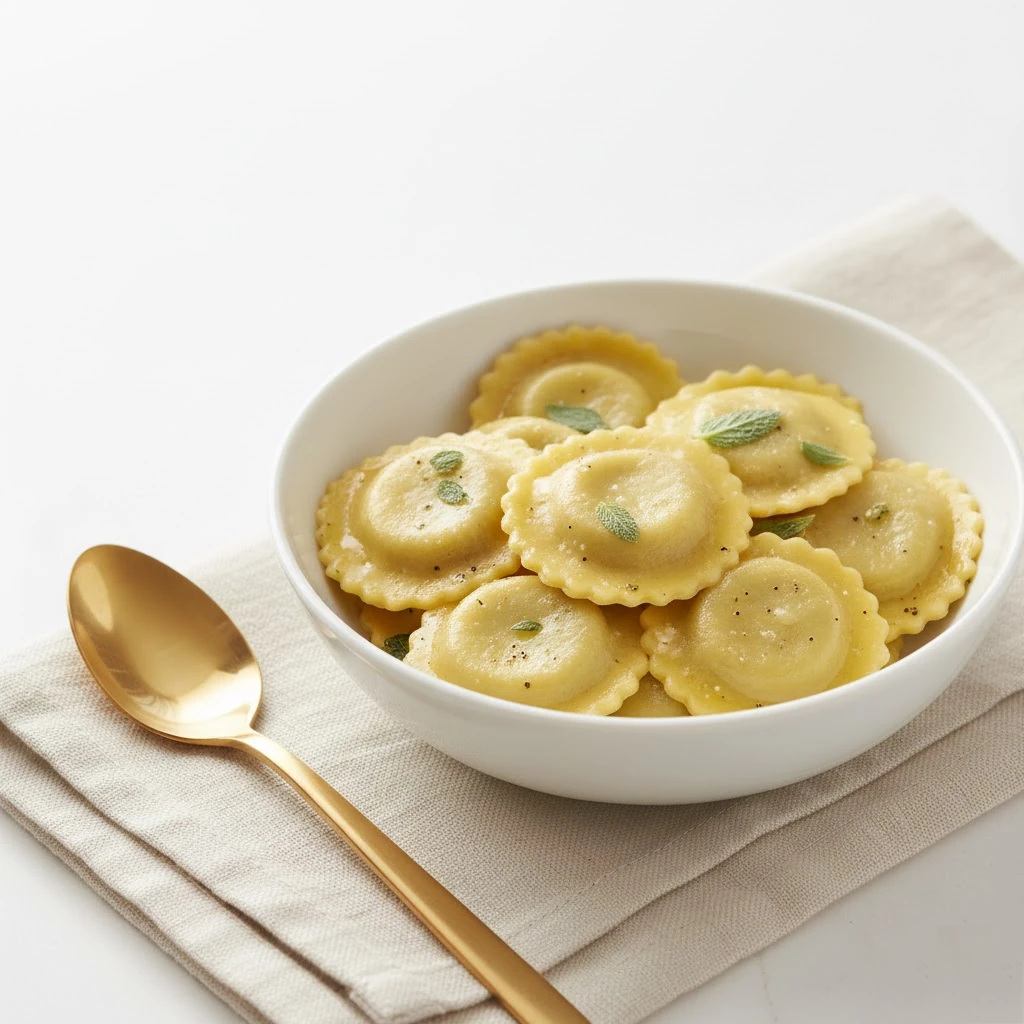
Classic Northern Italian ravioli served with a fragrant sage-butter sauce—a simple yet elegant dish showcasing delicate pasta craftsmanship.

Ravioli con Burro e Salvia (The Classic Sage Brown Butter Sauce)

*Ravioli con Burro e Salvia* is the quintessential Northern Italian preparation, offering a perfect, delicate complement to fresh, filled pasta. The sauce is made from just three ingredients: high-quality butter, fresh sage leaves, and starchy pasta water. The key is transforming the butter into *beurre noisette* (nut-brown butter) by carefully cooking the milk solids until they achieve a deep, toasty, nutty aroma. The sage leaves are fried in this brown butter until they become crisp chips, resulting in an aromatic, complex, and beautiful coating for the delicate ravioli.


📜 History: Northern Elegance

This sauce is deeply rooted in the culinary traditions of Northern Italian regions like Emilia-Romagna and Lombardy, where butter and dairy are historically more prevalent than olive oil. Unlike the robust, tomato-based sauces of the South, the North favors light preparations that showcase the quality of the fresh pasta and its filling (often spinach and ricotta, or butternut squash (*zucca*)). *Burro e Salvia* is the most refined of these preparations, celebrating the simple yet complex flavor profile achieved through technique.


🧈 Ingredients: The Magic of Milk Solids

The success of this dish rests solely on the quality of two elements:

  • *Butter:* Use *unsalted butter*. The higher quality the butter, the better the final flavor. Do not use margarine or heavily salted butter.
  • *Sage:* Fresh, whole, unblemished leaves are mandatory. The dry sage cannot be substituted since it will burn before the butter browns.
  • *Ravioli:* The sauce is light, so it pairs best with delicate fillings like *spinach and ricotta*, or sweet fillings like *pumpkin/squash*.
  • *Finishing:* A few drops of high-quality *aged balsamic vinegar* can sometimes be used to cut the richness, and fresh *Parmigiano-Reggiano* provides the final salty touch.
Fresh ravioli, a block of unsalted butter, and a handful of fresh sage leaves laid out.
Image 1: Simplicity is key: quality butter and fresh sage are the only two main components for the sauce.

🔪 The Technique: Burro Noisette and Emulsion

Step 1: Browning the Butter

  • Place the butter in a wide, light-colored pan (to monitor the color change) over medium heat.
  • The butter will foam, then subside. Keep cooking, swirling the pan occasionally. The milk solids will separate and begin to brown on the bottom.
  • Watch closely: the butter is done when the solids turn a beautiful *nut-brown color* and it smells distinctly like toasted hazelnuts (*noisette*).
  • *Immediately remove the pan from the heat* to stop the cooking, preventing it from burning.
Butter cooking in a pan, showing the golden-brown milk solids collecting at the bottom.
Image 2: The butter must be cooked until the milk solids turn a perfect, fragrant nut-brown—watch carefully to avoid burning!

Step 2: Frying the Sage

  • Return the pan to very low heat. Add the fresh sage leaves to the hot brown butter.
  • The leaves will immediately crisp up (about 30 seconds). Remove them and set them aside to drain—these are the final garnish.
  • Keep the infused brown butter warm off the heat.

Step 3: Finishing the Sauce and Pasta

  • Cook the fresh ravioli until just *al dente*. *Reserve a generous amount of starchy pasta water.*
  • Transfer the drained ravioli directly into the pan with the brown butter.
  • Add a few tablespoons of the hot, starchy pasta water. Toss vigorously (*mantecare*) until the water and fat emulsify into a light, white, creamy coating.
Ravioli being tossed in the sage brown butter sauce and starchy water in a large pan.
Image 3: The final vigorous toss with starchy pasta water creates a light, glossy emulsion that coats the pasta perfectly.

Step 4: Serving

  • Serve immediately, topping with the crispy sage leaves and a fresh grating of Parmigiano-Reggiano cheese.

💡 Troubleshooting & Chef's Notes

Issue Cause Solution/Tip
*Butter is black/burnt.* Cooked too long, or heat was too high. Discard and start over. Watch the butter continuously and remove it from the heat the moment it turns nut-brown. Use a lighter-colored pan for better visibility.
*Sauce is oily/separated.* Not enough starchy pasta water was used to emulsify the fat. Add another splash of hot pasta water and toss rapidly off the heat until the mixture turns creamy and glossy.
*Sage leaves burn.* Added to the butter before it was removed from the direct, high heat. Remove the butter from the heat once brown, then return to low heat briefly just to crisp the leaves, or add them immediately after removing the pan from the burner.

Ravioli al Burro e Salvia

Cook Time 6 minutes
Total Time 6 minutes
Servings: 4
Course: Pasta
Cuisine: Italian
Calories: 550

Ingredients
  

  • 450 g Fresh Ravioli Cheese or Meat-filled
  • 1/2 cup Unsalted Butter
  • Fresh Sage Leaves
  • Parmesan Cheese Grated
  • Salt and Black Pepper

Method
 

  1. Equipment needed: Large pot for boiling ravioli
  2. Cook the ravioli in boiling salted water until they float to the surface (typically about 4-6 minutes). Drain.
  3. In a skillet, melt the unsalted butter over medium heat.
  4. Add fresh sage leaves to the butter and cook until they become crisp. Remove the sage leaves and set them aside.
  5. Toss the cooked ravioli in the sage butter sauce.
  6. Season with salt and black pepper to taste.
  7. Garnish with grated Parmesan cheese and the crispy sage leaves.
Stay a While—Join My Circle of Food-Loving Friends

Join my newsletter now to make sure you never miss a recipe or cooking tip from me!

Leave a Reply

Your email address will not be published. Required fields are marked *

Recipe Rating


share this recipe:

Facebook
Twitter
Pinterest

Still hungry? Here’s more

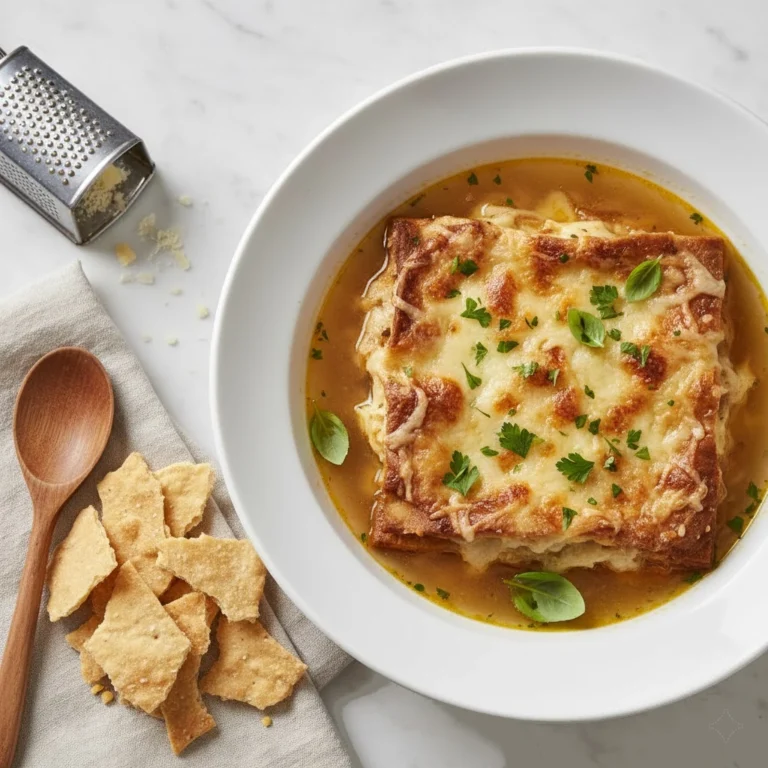
Zuppa Gallurese

A hearty Sardinian specialty, Zuppa Gallurese is a savory, baked layered soup combining bread, cheese, and rich broth.

Read More