Pasta Primavera (Spring Vegetable Pasta)
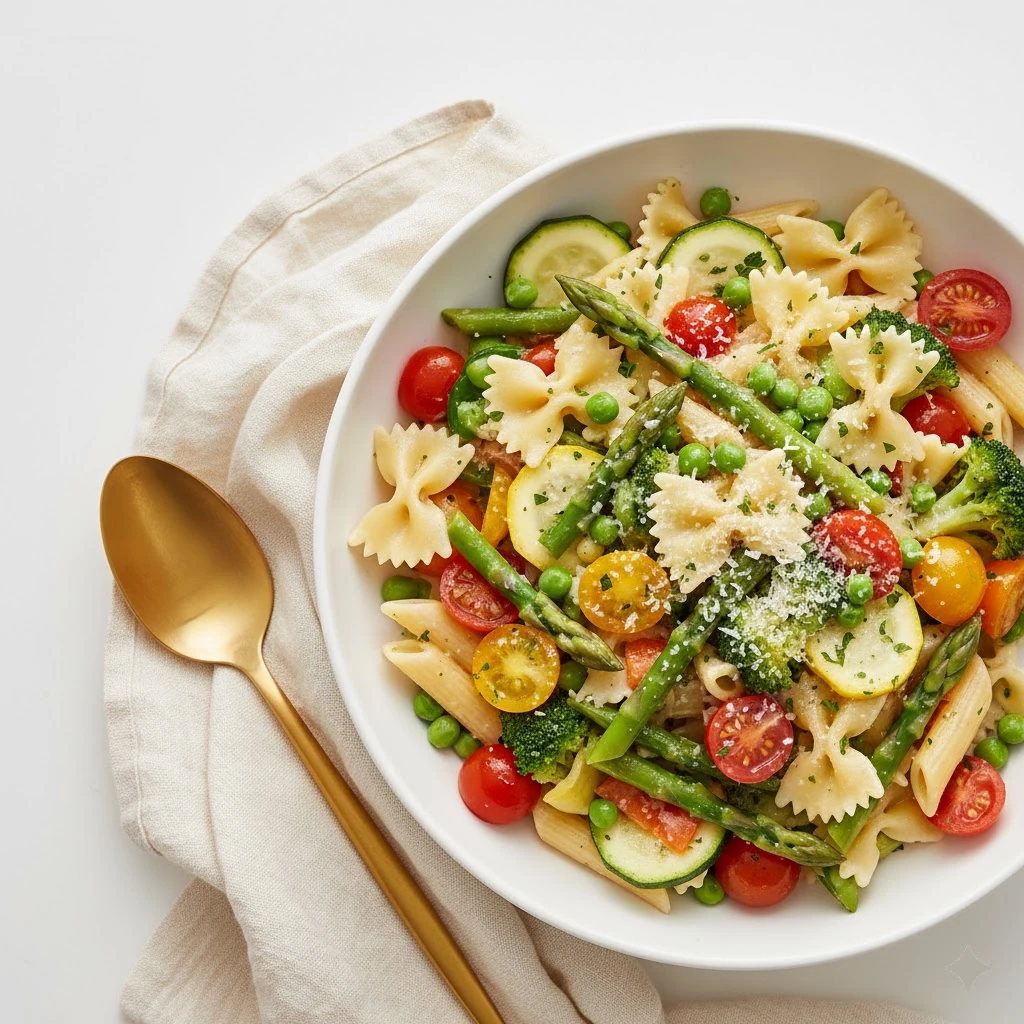
Pasta Primavera is a celebration of the season, capturing the light, fresh, and vibrant flavors of spring vegetables. The dish is characterized by its colorful medley of crisp, tender-crisp vegetables—asparagus, peas, green beans, and zucchini—tossed in a delicate, light sauce. Unlike cream-heavy versions often found abroad, the authentic method creates a sauce by using starchy pasta water, lemon zest, and a touch of butter or olive oil, allowing the natural sweetness of the vegetables to shine. It is the perfect bright, fresh counterpoint to the richer, meat-based pasta dishes of winter.
History: A Modern Classic
Interestingly, Pasta Primavera is not a centuries-old Italian classic; it's a more recent invention, popularized in the 1970s. The dish is widely credited to Italian-American chefs working at Le Cirque in New York City. Despite its modern, non-traditional origin, the concept embodies core Italian culinary principles: using the freshest seasonal ingredients, preparing them minimally, and maximizing flavor through simple techniques (like using pasta water to create an emulsion). It quickly became internationally famous, evolving into a beloved springtime standard.
Ingredients: Seasonal Stars
The choice of vegetables is key since they must all cook to a tender-crisp texture:
- Vegetables: Use small, early spring produce like asparagus tips, shelled peas, fava beans, small broccoli florets, and zucchini. They should be cut into similar-sized pieces for even cooking.
- Pasta: Short, tubular shapes like Pennette, Fusilli, or Farfalle (bow-tie pasta) are excellent choices as their shapes catch the small vegetables and sauce beautifully.
- Flavor Base: Use plenty of fresh garlic, a touch of olive oil, and sometimes a splash of white wine.
- Finishing: Fresh Parmigiano-Reggiano and a vibrant lift from lemon zest and juice are essential to the final flavor.
The Technique: Blending and Brightness
Step 1: Preparing the Vegetables
- The vegetables should be cooked just enough to be tender-crisp. You have two main options:
- Blanching: Blanch the hardest vegetables (asparagus, green beans) briefly in the pasta water right before or after the pasta is added.
- Sautéing: Sauté all the chopped vegetables with garlic in a wide pan using olive oil for just a few minutes until bright green and slightly softened.
Step 2: Building the Emulsion
- Cook the pasta until two minutes before it is al dente. Reserve plenty of starchy pasta water.
- Transfer the pasta and the par-cooked vegetables to the wide pan containing the sauté base (or a fresh pan if you blanched them).
- Add a ladleful of the starchy pasta water and a knob of butter (or a drizzle of olive oil). Toss vigorously to create a light, bright emulsion that coats the pasta and vegetables.
Step 3: Finishing and Serving
- Remove the pan from the heat. Stir in the lemon zest and the grated Parmigiano-Reggiano. The heat from the pasta will melt the cheese and release the oils from the zest.
- Serve immediately with fresh herbs (like basil or mint) and a final dusting of black pepper.
💡 Troubleshooting & Chef's Notes
| Issue |
Cause |
Solution/Tip |
| Vegetables are mushy/overcooked. |
Added to the pan too early, or cooked for too long. |
Add vegetables in stages, based on how long they need to cook. They should retain a distinct tender-crisp bite. |
| Sauce is too heavy/greasy. |
Used too much butter/oil without enough starchy water to emulsify, or used heavy cream. |
Use cream sparingly or skip it entirely. Focus on the starchy pasta water to bind the fats into a light sauce. |
| Dish tastes flat. |
Lacks acidity and proper seasoning. |
Finish with a generous amount of lemon zest and juice. The citrus is crucial for brightness. |