
Spaghetti alla Puttanesca (Bold & Savory Southern Italian Sauce)
Spaghetti alla Puttanesca is a classic, aggressively flavorful Southern Italian sauce known for its quick preparation and punchy sincesertive flavor.
It is the definition of a sugo veloce (quick sauce), designed to be ready in the time it takes the pasta to cook.
The flavor base relies on three bold ingredients—anchovies, capers, and olives—which, when combined with garlic, chili, and crushed tomato, create a highly seasoned, savory, and irresistible sauce.
It is traditionally served with spaghetti and, crucially, never topped with cheese.
History: The Quick Sauce
The sauce originates from the regions of Campania (Naples) and Lazio (Rome), but its name is what draws the most attention.
While a literal translation can be provocative, the most widely accepted culinary theory suggests the name reflects its quick preparation, using ingredients readily available, often pantry staples, for a rapid, satisfying meal.
It embodies the Southern Italian approach to cooking: maximum flavor with minimum fuss.
Ingredients: The Pungent Trio
The intensity of the sauce relies on the quality of these strong, savory components:
Anchovies: Oil-packed anchovy fillets are essential. They do not leave a 'fishy' taste; they dissolve completely into the oil, providing a deep, complex, savory base (umami).
Olives: Black, salty olives like Gaeta or Kalamata are preferred, usually pitted and halved.
Capers: Salt-packed capers (rinsed well) or capers in brine add a necessary burst of tart acidity.
Heat: Generous amounts of crushed red pepper flakes (peperoncino) provide the characteristic spicy kick.
Tomato: Crushed tomatoes are cooked briefly to retain a fresh, bright flavor.
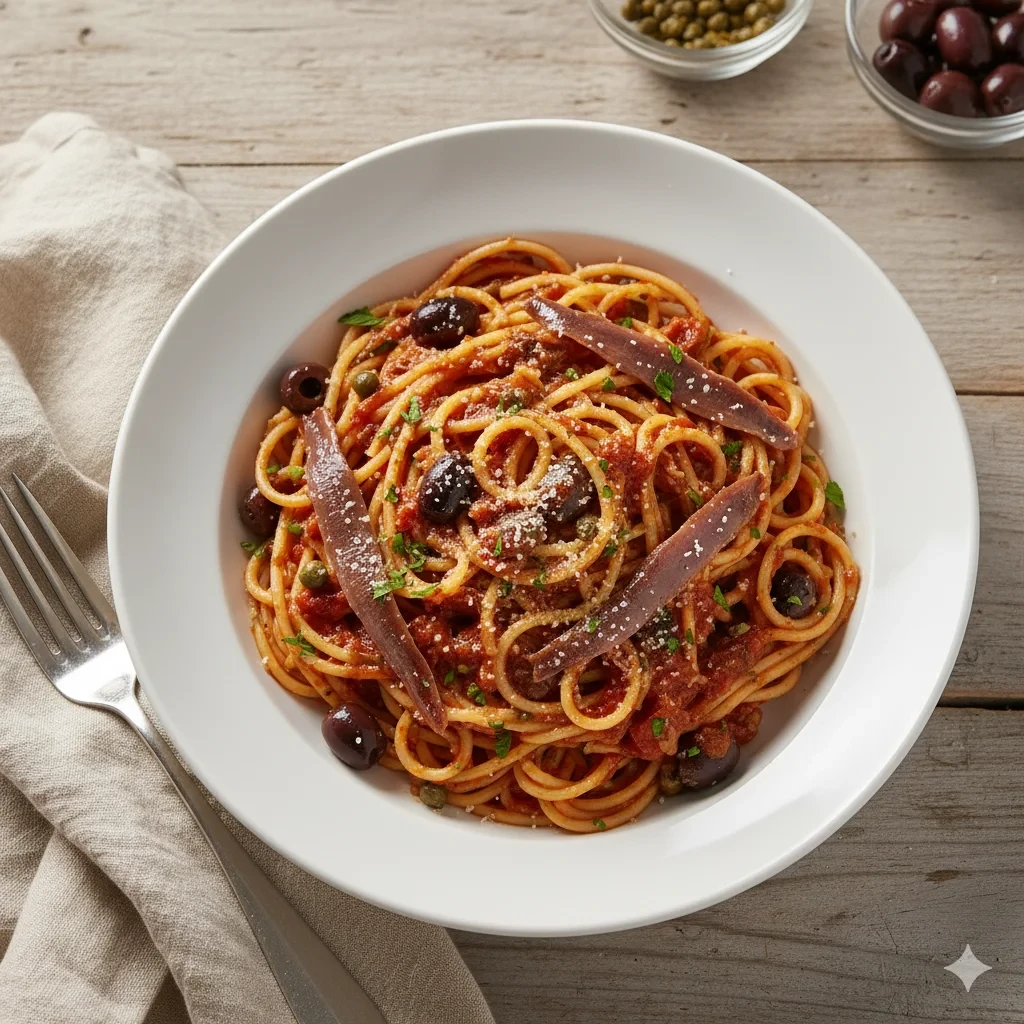
Image 1: The key to this sauce is the intense salinity and savory profile provided by the olives, capers, and anchovies.
The Technique: Building the Umami
Step 1: Melting the Anchovies
Heat high-quality extra virgin olive oil in a wide pan over medium heat. Add thinly sliced garlic and the anchovy fillets.
Use a wooden spoon to press and stir the anchovies until they completely dissolve into the oil, forming a fragrant, dark, savory paste. Add the red pepper flakes now.
Image 2: The anchovies must melt completely into the oil, transforming into a savory base, not remaining as distinct pieces.
Step 2: Simmering the Sauce
Add the olives and capers to the pan, cooking for 1 minute.
Pour in the crushed tomatoes and bring the sauce to a gentle simmer. Cook for only 10–15 minutes—just long enough for the flavors to marry, but not so long that the fresh, bright tomato flavor is lost.
Step 3: Finishing the Pasta
Cook the spaghetti until two minutes before it is al dente. Reserve plenty of starchy pasta water.
Transfer the undercooked spaghetti directly to the simmering sauce. Toss vigorously, adding a small amount of the starchy pasta water to create a light, emulsified coating.
Step 4: Serving
Remove from heat, toss with a generous amount of fresh chopped parsley. Serve immediately.
Image 3: The final tossing should create a glossy coating, ensuring the sauce clings perfectly to every strand of spaghetti.
💡 Troubleshooting & Chef's Notes
Issue
Cause
Solution/Tip
Sauce is too bland/flat.
Anchovies did not fully dissolve, or capers/olives were skimped.
Ensure the anchovies are fully melted into the oil. The sauce should be assertively salty; adjust salt levels only after tasting the olives and capers.
Sauce is too watery.
Used low-quality tomatoes, or did not reduce the sauce adequately.
If the sauce is thin, let it simmer with the capers and olives slightly longer to concentrate the flavors. The final starchy pasta water should bind, not dilute.
Too salty.
Did not rinse the capers or used too many anchovies.
Rinse salt-packed capers thoroughly. If the final dish is too salty, finish it with a small squeeze of fresh lemon juice or a pinch of sugar to balance the brine.
hi, i'm rebby
Welcome to my kitchen!
Enjoy the Mediterranean way of life: wholesome, flavorful meals made with love. Discover recipes, meal planning tips, and seasonal ingredients that make eating well simple, joyful, and memorable.