

More Pasta, More Joy—Join the Fun!
Pasta all’Amatriciana
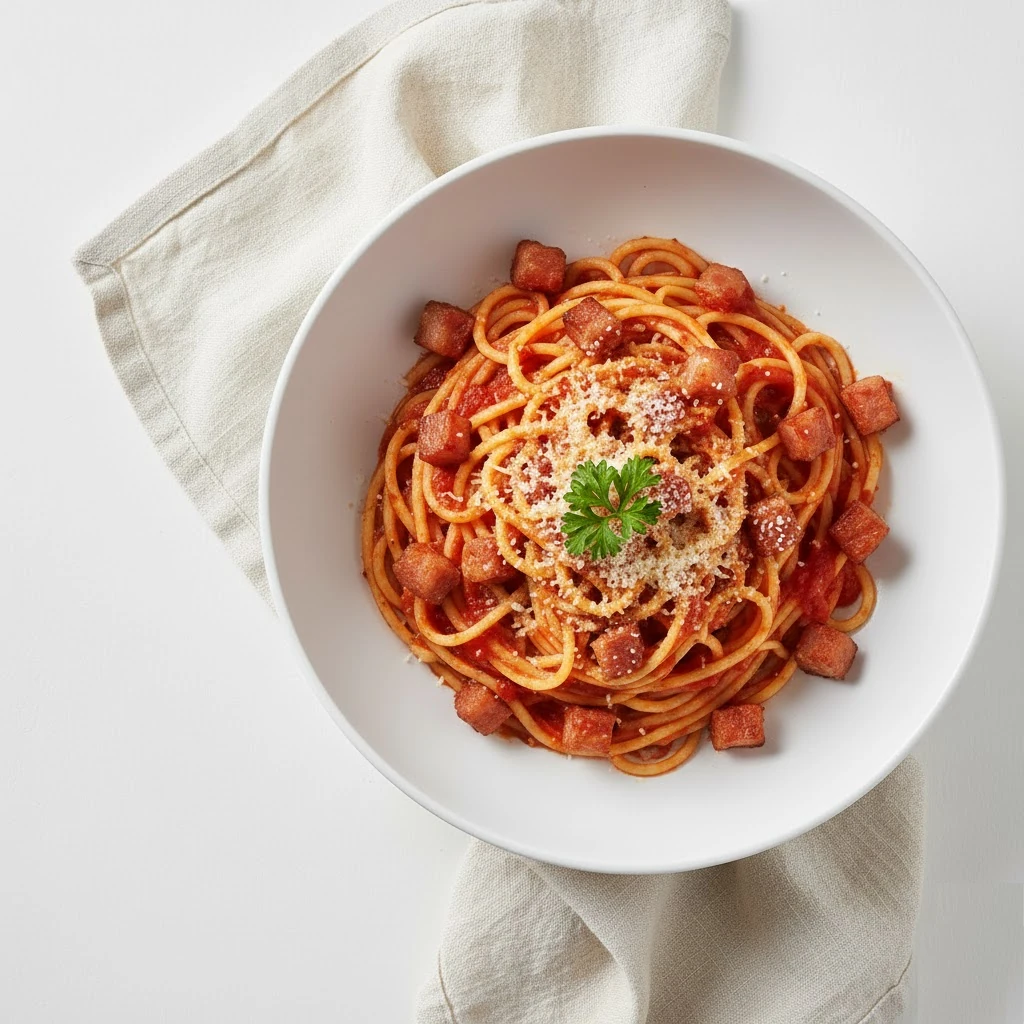
A Roman classic, Pasta all’Amatriciana balances smoky cured pork with tangy tomato and sharp cheese for a hearty, authentic taste of Lazio.

Pasta all'Amatriciana (Classic Roman Tomato, Guanciale, and Pecorino)

Pasta all'Amatriciana is one of the celebrated four Roman pasta classics. It elevates the foundational Pasta alla Gricia (Guanciale, Pecorino, pepper) by adding a simple but robust tomato sauce. The flavor profile is complex—smoky, savory, salty, and sweet—relying entirely on the careful rendering of Guanciale (cured pork jowl), a splash of white wine, and the sharp, salty creaminess of Pecorino Romano cheese. Traditionally served with Bucatini (a thick, hollow spaghetti), it is a hearty and unforgettable dish.


History: From Amatrice to Rome

Amatriciana originated not in Rome, but in the town of Amatrice in the province of Rieti (historically part of Abruzzo, now Lazio). The original white version of the dish, Gricia, was named after the local shepherds and farmers. When tomatoes became readily available in the 17th century, they were added to the Gricia base, creating Amatriciana. The dish’s popularity surged as cooks from Amatrice migrated to Rome, eventually establishing it as a Roman staple and cementing its place as one of Italy's most famous pasta recipes.


Ingredients: The Sacred Two

Authenticity hinges on two ingredients that are non-negotiable substitutions:

  • Guanciale: This cured pork jowl is essential. It has a high-fat content and a unique, deep flavor profile that pancetta or bacon cannot replicate. It should be cut into thick strips or cubes.
  • Pecorino Romano D.O.P.: A sharp, salty sheep's milk cheese, mandatory for binding the sauce. Parmesan is not a substitute.
  • Tomato: Whole, high-quality Italian tomatoes (like San Marzano), hand-crushed or lightly puréed.
  • Pasta: Bucatini (a thick spaghetti with a hole through the middle) is the traditional choice, but Rigatoni, Mezze Maniche, or Spaghetti are also popular.
  • Wine: A small splash of dry white wine is used to deglaze the pan.

The Technique: Rendering and Simmering

Step 1: Rendering the Guanciale

  • Start the Guanciale in a cold, wide stainless steel pan. Cook over very low heat until the fat has fully rendered and the Guanciale pieces are crisp and golden brown.
  • Remove the crisp pieces and set them aside. Leave the rendered fat in the pan.

Step 2: Building the Sauce

  • Deglaze the pan by adding a splash of dry white wine to the hot Guanciale fat. Cook until the wine has completely evaporated.
  • Add the crushed tomatoes (and optional chili flakes) to the fat. Bring to a gentle simmer and cook for about 15–20 minutes until the sauce reduces slightly and the flavor concentrates.

Step 3: Finishing the Pasta (Mantecare)

  • Cook the pasta in lightly salted water until two minutes before it is al dente. Reserve at least 1 cup of the starchy pasta water.
  • Transfer the undercooked pasta directly into the sauce. Toss and continue cooking for 1–2 minutes, adding a little pasta water if the sauce is too thick.
  • Remove the pan completely from the heat. Add a handful of grated Pecorino Romano. Toss vigorously (mantecare) until the cheese, sauce, and starchy water emulsify into a beautiful, glossy coat.

Step 4: Serving

  • Serve immediately, topping each plate with the reserved crispy Guanciale pieces and an extra grating of Pecorino.

💡 Troubleshooting & Chef's Notes

Issue Cause Solution/Tip
Sauce separates/is oily. Pecorino was added to a pan that was still on the heat, causing the fat to separate from the protein. Always remove the pan from the heat before adding the Pecorino. If separation occurs, add a splash of cold pasta water and whisk vigorously to re-emulsify.
Sauce is too thin/watery. Tomatoes contained too much liquid, or not enough simmering time. Simmer the sauce for a longer period to reduce. Alternatively, add a small spoonful of tomato paste to deepen the flavor and thicken the sauce.
Guanciale is chewy. Heat was too high during the rendering stage. Start in a cold pan and use the lowest possible heat to render the fat out completely before the meat crisps up.

Pasta all’Amatriciana

Cook Time 10 minutes
Total Time 10 minutes
Servings: 4
Course: Pasta
Cuisine: Italian
Calories: 560

Ingredients
  

  • 12 oz Bucatini or Spaghetti
  • 2 tbsp Olive Oil
  • 4 oz Guanciale or Pancetta Diced
  • 1 can Tomatoes Crushed
  • 1/2 tsp Red Pepper Flakes Adjust to Taste)
  • Pecorino Romano Cheese Grated
  • Salt and Black Pepper

Method
 

  1. Equipment needed: Large pot for boiling pasta
  2. Cook the pasta in boiling salted water until al dente. Drain and keep some pasta water.
  3.  In a large skillet, heat the olive oil over medium heat.
  4. Sauté the diced guanciale or pancetta until crispy.
  5. Add red pepper flakes and the crushed tomatoes. Simmer for about 10 minutes.
  6. Toss the cooked pasta in the Amatriciana sauce, adding pasta water as needed.
  7. Season with salt and black pepper.
  8. Garnish with grated Pecorino Romano cheese.
Stay a While—Join My Circle of Food-Loving Friends

Join my newsletter now to make sure you never miss a recipe or cooking tip from me!

Leave a Reply

Your email address will not be published. Required fields are marked *

Recipe Rating


share this recipe:

Facebook
Twitter
Pinterest

Still hungry? Here’s more

Zuppa Gallurese

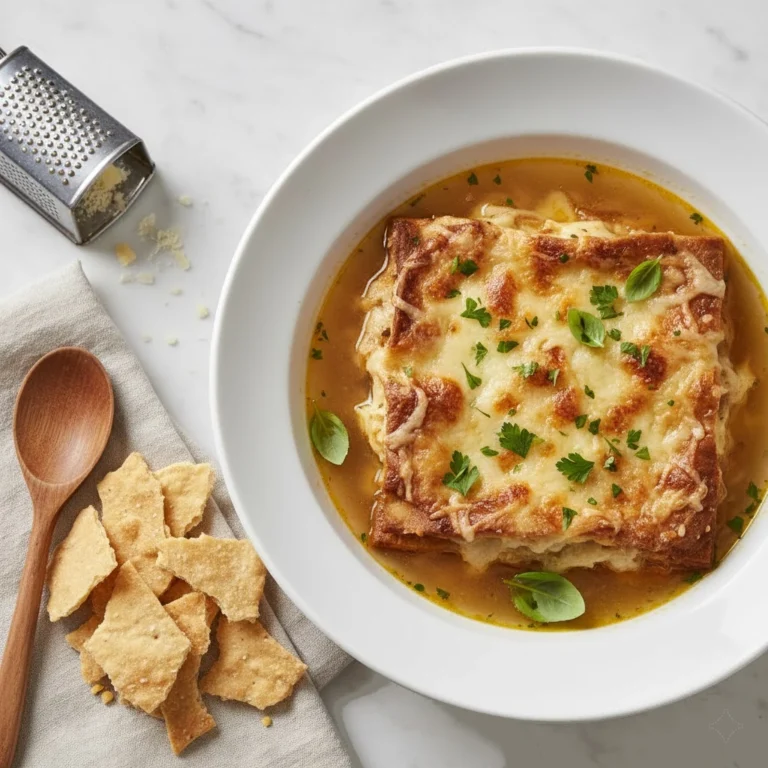
A hearty Sardinian specialty, Zuppa Gallurese is a savory, baked layered soup combining bread, cheese, and rich broth.

Read More