

More Pasta, More Joy—Join the Fun!
Fettuccine Alfredo
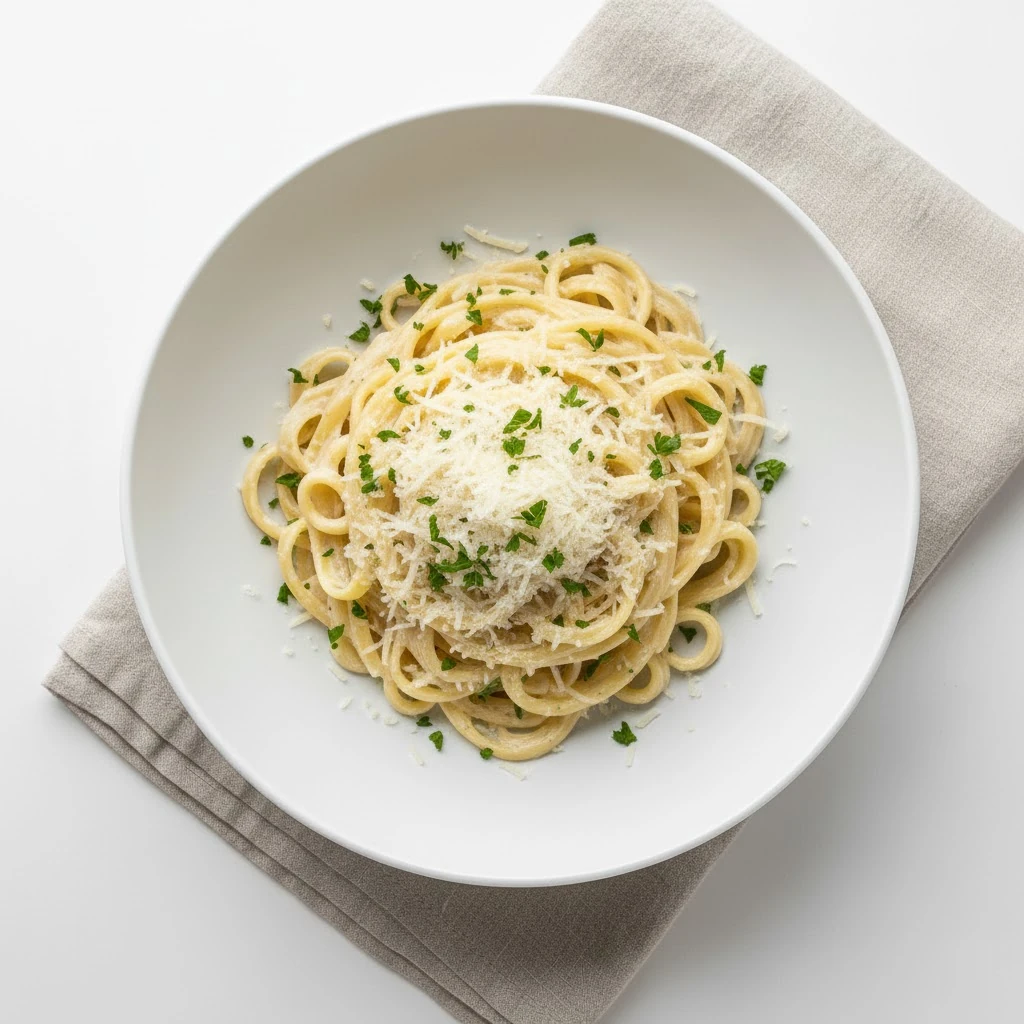
Rich and indulgent, Fettuccine Alfredo combines fresh pasta with melted butter and Parmesan for a comforting Roman classic.

Fettuccine Alfredo (The Original Roman Style)

Fettuccine Alfredo is a testament to the power of simplicity. In its original Roman form, this luxurious dish is made with just three core ingredients: high-quality fettuccine, fresh butter, and grated Parmigiano-Reggiano. The key to its rich, velvety sauce lies not in heavy cream, but in a delicate process of emulsification, where the starch from the pasta water binds the butter and cheese into a glossy, decadent coating. This is the authentic recipe, perfected by chef Alfredo Di Lelio in Rome.


History: The True Story of Alfredo

The original dish was created around 1914 by Roman restaurant owner Alfredo Di Lelio. Legend has it he invented the simple, nutrient-rich pasta to help his wife, Ines, recover her strength after giving birth. It was originally named Fettuccine al Triplo Burro (Fettuccine with Triple Butter). The dish's international fame was solidified when two American silent film stars, Mary Pickford and Douglas Fairbanks, ate the dish on their honeymoon and gifted Alfredo a golden serving fork and spoon. The authentic recipe remains the same: a perfect balance of butter and Parmigiano-Reggiano, skillfully tossed to create an emulsion.


Ingredients: Less is More

When there are only three ingredients, the quality of each component is magnified:

  • Fettuccine: Traditionally, this dish uses fresh, egg-based fettuccine pasta, which has a higher protein content and a velvety texture that contrasts beautifully with the rich sauce.
  • Butter: Use high-quality European-style butter (high fat content). The butter should be cut into small cubes and kept at room temperature or chilled since this aids in the emulsification process.
  • Parmigiano-Reggiano: This must be authentic, aged Parmigiano-Reggiano D.O.P., finely grated. Avoid pre-grated cheese, which contains anti-caking agents that will prevent the sauce from becoming smooth and creamy.
  • Pasta Water: This starchy liquid is the unsung hero. It acts as the emulsifier, binding the fat (butter) and the solids (cheese) into a smooth cream.

The Technique: The Art of Emulsification

Step 1: Cook the Pasta and Prepare the Fat

  • Cook the fettuccine in lightly salted water until it is al dente.
  • Crucially, reserve at least 1 cup of the starchy pasta water.
  • In a large, wide skillet, gently melt about half of the cubed butter over very low heat.

Step 2: The Mixing Dance

  • Transfer the drained pasta directly into the wide skillet with the melted butter. Add the remaining cold or room-temperature butter cubes.
  • Add 2–3 tablespoons of the reserved starchy pasta water.
  • Immediately remove the skillet from the heat.

Step 3: Creating the Cream (The Emulsion)

  • Begin to toss the pasta vigorously with tongs or a wooden spoon.
  • As you toss, sprinkle in the grated Parmigiano-Reggiano one handful at a time.
  • Continue tossing and add splashes of the starchy pasta water as needed. The starchy water and the cold butter will emulsify with the cheese to create a thick, glossy, creamy sauce that perfectly coats the pasta. Do not let the sauce boil.

Step 4: Serve Immediately

  • The sauce must be served immediately since it tends to thicken quickly.
  • Serve directly from the skillet, topping with an extra grating of Parmigiano-Reggiano and freshly cracked black pepper (optional).

💡 Troubleshooting & Chef's Notes

Issue Cause Solution/Tip
Sauce separates/is oily. Heat was too high when adding the cheese, or the butter melted completely before emulsification. Always remove the pan from the heat before adding the cheese. If separation occurs, add a splash of cold pasta water and vigorously whisk the sauce base again.
Sauce is too thick. Not enough pasta water was used. Add another ladle of hot starchy pasta water and toss immediately until the desired consistency is reached.
Pasta is dry/sticky. Not enough butter or not enough residual pasta water in the pan. Ensure there's a good coating of fat on the pasta before adding the cheese. Use a wide, shallow pan to maximize the starchy residue.

Fettuccine Alfredo

Cook Time 10 minutes
Total Time 10 minutes
Servings: 4
Course: Main Dish (Primi Piatti), Pasta
Calories: 850

Ingredients
  

  • 12 oz Fettuccine
  • 1(1/2) cup Cream Heavy
  • 1/2 cup Unsalted Butter
  • 1(1/2) cup Parmesan Cheese Grated
  • Salt and White Pepper
  • Freshly Grated Nutmeg Optional

Method
 

  1. Equipment needed : Large pot for boiling fettuccine
  2. Cook the fettuccine in boiling salted water until al dente. Drain and keep some pasta water.
  3. In a saucepan, heat the heavy cream and butter over medium heat until the butter melts.
  4. Stir in the grated Parmesan cheese until the sauce is creamy and smooth.
  5. Season with salt, white pepper, and a pinch of freshly grated nutmeg, if desired.
  6. Toss the cooked fettuccine in the Alfredo sauce, adding pasta water as needed to reach your desired consistency.
  7. Serve with additional Parmesan on top.
Stay a While—Join My Circle of Food-Loving Friends

Join my newsletter now to make sure you never miss a recipe or cooking tip from me!

Leave a Reply

Your email address will not be published. Required fields are marked *

Recipe Rating


share this recipe:

Facebook
Twitter
Pinterest

Still hungry? Here’s more

Zuppa Gallurese

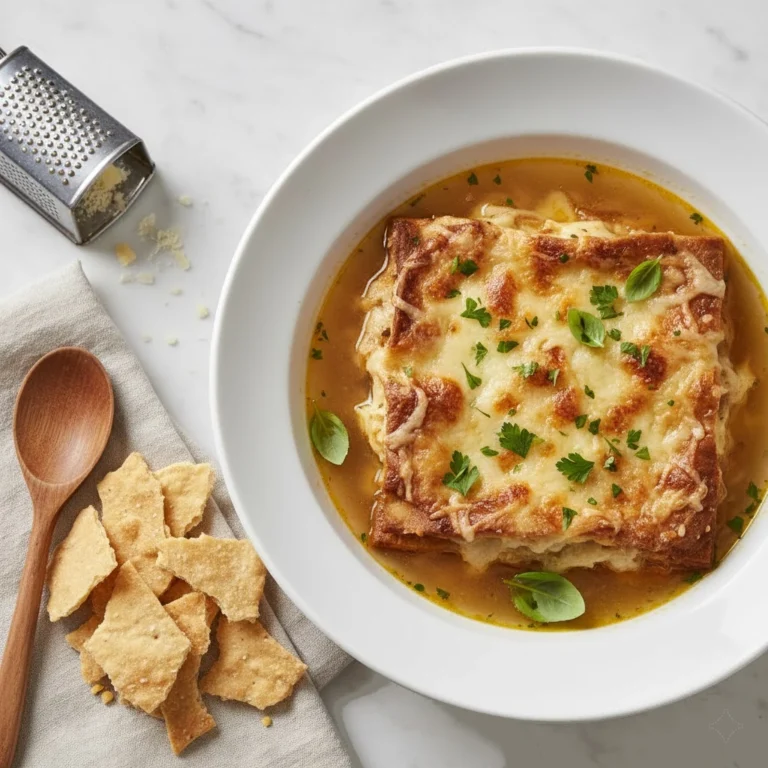
A hearty Sardinian specialty, Zuppa Gallurese is a savory, baked layered soup combining bread, cheese, and rich broth.

Read More