

More Pasta, More Joy—Join the Fun!
Cannoli
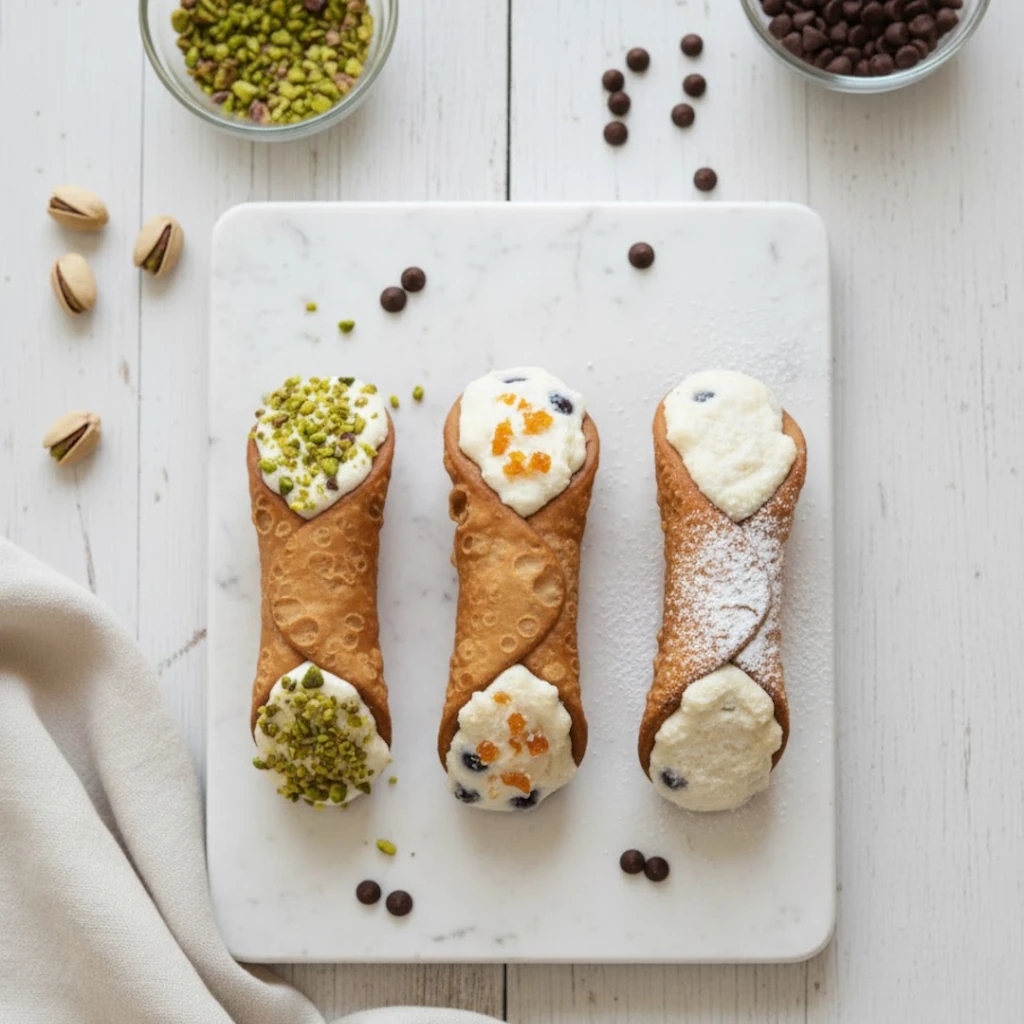
Crisp, bubbly pastry shells filled with creamy ricotta and scented with citrus and chocolate, Sicilian cannoli embody the island’s sweet culinary heritage.

Cannoli Siciliani (Crispy Ricotta-Filled Pastries)

The *Cannolo Siciliano* is perhaps the most famous pastry of Italian cuisine. This decadent dessert consists of a fried, crisp, tube-shaped shell (*scorza*) filled with a sweet, creamy mixture of sheep's milk ricotta cheese. Historically a treat reserved for Carnevale, cannoli are now enjoyed year-round. This recipe focuses on achieving the two crucial textures: the *shattering crunch* of the shell and the *silky smoothness* of the well-drained ricotta filling.


📜 History: From Harem to Convent

The origins of cannoli are steeped in legend, dating back to the Arab rule of Sicily (9th–11th centuries), particularly in the area of Caltanissetta, the former “Castle of Women.” One theory suggests the dessert was created by the concubines of the local princes, inspired by Arab pastries featuring nuts and sweet fillings. After the Norman conquest, the tradition was preserved and perfected by the cloistered nuns in local convents, who prepared them for special religious festivals, particularly *Carnevale*. The pastry's tube shape is said to derive from the river reeds (*canna*) around which the dough was originally wrapped for frying.


🐑 Ingredients: The Core Components

Success lies in high-quality ingredients, especially the cheese and the fat used for frying:

  • *Ricotta Cheese:* Traditionally, it must be fresh *sheep's milk ricotta*, which is denser and richer than cow's milk ricotta. If using cow's milk, proper draining is crucial.
  • *Shell Dough:* Made with flour, sugar, a touch of *Marsala wine* (or white wine vinegar), and often cinnamon or cocoa powder for color. The alcohol or acid is key to achieving blisters and a flaky texture.
  • *Frying Fat:* Lard is traditional and yields the crispest, lightest shells. Vegetable oil (like canola or peanut) is a modern, acceptable alternative.
  • *Garnish:* Common additions include chopped *candied orange peel*, *chocolate chips*, or *pistachios* dipped on the ends of the finished pastry.

💧 Pre-Cooking Prep: Draining is Non-Negotiable

The single most important step for the filling is removing excess moisture from the ricotta:

1. Draining the Ricotta

  • Place the whole-milk ricotta in a fine-mesh strainer lined with cheesecloth or a clean tea towel.
  • Place the strainer over a bowl and *refrigerate for at least 6 hours, or preferably overnight*. You can place a small weight on top (like a canned good) to help press out the liquid (whey).
Image 1: Properly draining ricotta overnight is essential to prevent a watery filling that will quickly make the shells soggy.

2. Preparing the Shell Dough

  • After mixing the flour, sugar, Marsala, and fat, knead the dough until smooth and elastic (about 10 minutes).
  • Cover the dough tightly and let it *rest in the refrigerator for at least 1–2 hours*. This relaxes the gluten, making it easier to roll thin.

🔥 The Cooking Process: Shaping and Frying

Step 1: Rolling and Cutting

  • Roll the chilled dough very thinly (ideally through a pasta machine on the thinnest setting) to achieve the signature delicate, brittle crust.
  • Cut the dough into 4-inch circles or ovals.
Image 2: Roll the dough as thin as possible and wrap it tightly around the metal tubes, sealing the seam with egg white.

Step 2: Frying the Shells

  • Heat the oil (or lard) in a deep pot to *375°F (190°C)*.
  • Wrap the dough around the cannoli metal tubes, sealing the overlapping edge with a dab of egg white.
  • Fry the shells, a few at a time, turning occasionally, until they are deep golden brown and covered in blisters (about 2–3 minutes).
  • Carefully remove the shells with tongs and let them cool just long enough to handle, then gently twist and remove the metal tube.

Step 3: Finishing the Filling

  • Once drained, push the ricotta through a fine-mesh sieve or process it briefly in a food processor for a velvety smooth texture (optional).
  • Mix the sieved ricotta with confectioners' sugar and flavorings (vanilla, cinnamon, zest).
  • Transfer the filling into a pastry bag fitted with a large round tip.
Image 3: Use a pastry bag to fill the cooled shells, piping from both ends to ensure the center is completely filled.

Step 4: The Golden Rule

  • *Fill the shells only immediately before serving* (ideally within 30 minutes to 1 hour). This is the only way to guarantee a crispy shell.
  • Pipe the filling from one end halfway, then pipe from the other end until the filling meets in the middle.
  • Dip the ends into your chosen garnish (pistachios, chocolate chips, candied fruit) and dust the whole shell with powdered sugar.

💡 Troubleshooting & Chef's Notes

A successful cannolo is all about contrast—a crisp shell with a creamy filling:

Issue Cause Solution/Tip
*Shells are soggy.* Ricotta was not adequately drained, or the shells were filled too far in advance. Always drain ricotta overnight. Fill shells *minutes* before serving. You can reheat empty shells in a 300°F oven for 5 minutes to restore crispness.
*Shells are soft/don't blister.* Dough was not rolled thin enough, or the oil was not hot enough (needs to be 375°F). Ensure the dough is translucent when held up. The addition of Marsala or vinegar also aids in blister formation during frying.
*Filling is grainy.* Ricotta was not pushed through a fine sieve, or granulated sugar (instead of powdered sugar) was used. Use only *powdered sugar*, which dissolves instantly. For the smoothest filling, run the drained ricotta through a fine-mesh sieve or blend it briefly.
Servings: 12
Course: Dessert (Dolci)
Cuisine: Italian
Calories: 150

Ingredients
  

  • 1 cup Ricotta Cheese
  • 1/3 cup Sugar Powdered
  • 1/2 tsp Vanilla Extract
  • 1/4 cup Chocolate chips Mini
  • 12 Cannoli Shells
  • Confectioners’ Sugar Dusting

Method
 

  1. In a bowl, mix the ricotta cheese, powdered sugar, and vanilla extract until smooth.
  2. Stir in the mini chocolate chips.
  3. Fill each cannoli shell with the ricotta mixture.
  4. Dust the ends with confectioners’ sugar.
  5. Serve immediately or refrigerate until ready to serve.

Notes

*Cooking Method:* No-bake
Stay a While—Join My Circle of Food-Loving Friends

Join my newsletter now to make sure you never miss a recipe or cooking tip from me!

Leave a Reply

Your email address will not be published. Required fields are marked *

Recipe Rating


share this recipe:

Facebook
Twitter
Pinterest

Still hungry? Here’s more

Zuppa Gallurese

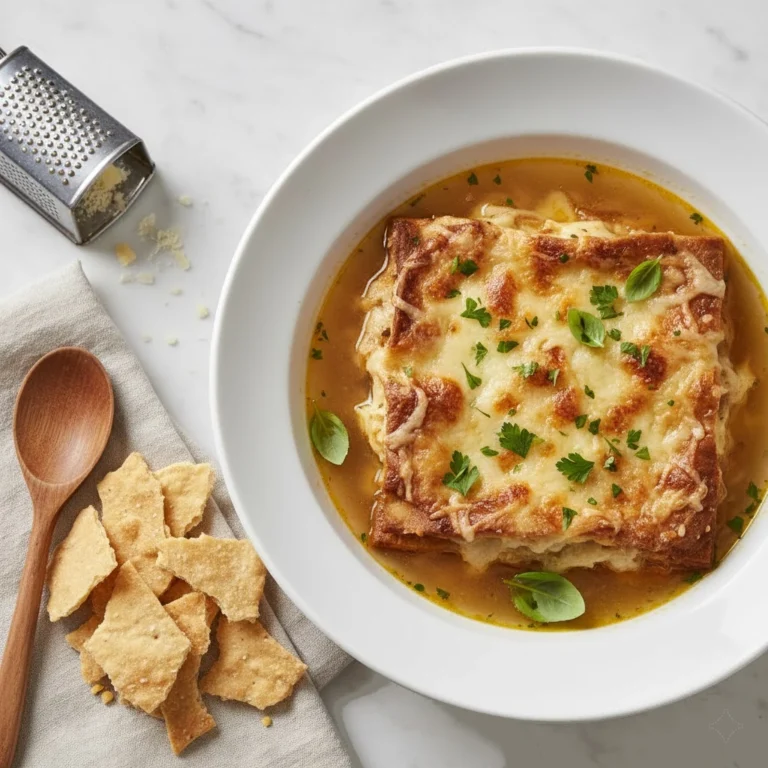
A hearty Sardinian specialty, Zuppa Gallurese is a savory, baked layered soup combining bread, cheese, and rich broth.

Read More