Focaccia di Recco (Ligurian Cheese Focaccia)
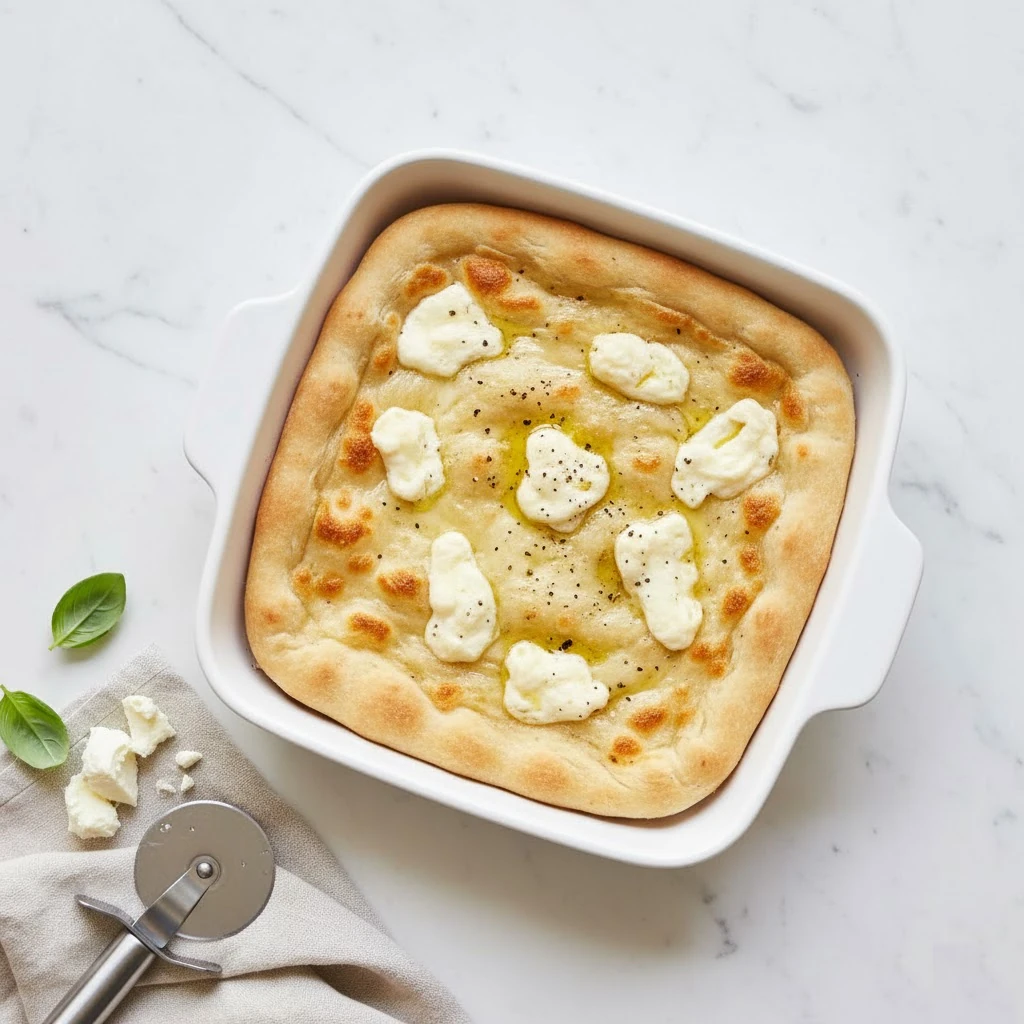
Focaccia di Recco is the star of Ligurian cuisine, but contrary to its name, it is not a bread. This dish is made from a simple, unleavened dough (flour, water, olive oil) that is stretched until it is paper-thin and filled with a generous layer of soft, fresh cheese, typically Stracchino or Crescenza. It is baked quickly at a high temperature until the crust blisters and the cheese melts into an oozy, golden core. The result is a savory, crispy, and intensely cheesy flatbread that holds a protected IGP status (Indicazione Geografica Protetta).
History: The Protected Gem of Recco
This dish originates from the small coastal town of Recco, near Genoa, and its preparation is fiercely protected. The earliest record of this dish dates back to the Crusades, when cooks traveling with Ligurian forces would make a similar simple bread cooked on hot stones. The modern version gained popularity in the 19th century and was perfected in Recco's bakeries. Because of its specific method and connection to the territory, Focaccia di Recco received its IGP designation in 2011, ensuring that only focaccia made in a specific area using the traditional method can carry the name.
Ingredients: The Importance of Fresh Cheese
Only the freshest, highest-quality ingredients are needed for this simple preparation:
- Cheese: Authentic Stracchino or Crescenza is essential. These are fresh, soft, rindless cow's milk cheeses that melt beautifully without turning oily. If unavailable, a fresh, moist Taleggio (without the rind) or a combination of soft mozzarella and ricotta may be substituted, though the texture will vary.
- Dough: The dough is a basic blend of Type 00 flour, water, salt, and extra virgin olive oil. It contains no yeast and no leavening agents of any kind.
- Olive Oil: As with all Ligurian cuisine, a light, fruity Ligurian Extra Virgin Olive Oil is key to the dough's flavor and texture.
The Technique: The Art of Thin Stretching
Step 1: Preparing and Resting the Dough
- Mix the dough ingredients and knead until smooth, elastic, and non-sticky (about 10–15 minutes).
- Divide the dough into two portions (one slightly larger for the bottom) and coat them lightly with olive oil.
- Cover the portions tightly and let the dough rest at room temperature for at least 1 hour to allow the gluten to relax.
Step 2: Stretching the Dough (The Critical Step)
- This is the most challenging step. The dough must be stretched, primarily using your hands and knuckles, until it is paper-thin and almost translucent. It should be wide enough to cover the bottom of your baking sheet (plus sides).
- Place the first, larger sheet on a greased baking sheet. The dough should hang over the edges.
Step 3: Layering and Sealing
- Tear the Stracchino or Crescenza cheese into small pieces and spread them evenly over the bottom layer of dough.
- Take the second piece of dough and stretch it to the same paper-thinness as the first.
- Carefully lay the second sheet over the cheese. Pinch the edges of the top and bottom layers tightly together, trimming any excess dough that hangs over the pan.
Step 4: Poking and Baking
- Using your fingers, gently poke 6–8 small holes or tears through the top layer of dough. These release steam and allow the top crust to blister.
- Drizzle the top lightly with olive oil.
- Bake in a preheated oven at a very high temperature, 430–480°F (220–250°C), for 8–15 minutes, until the crust is golden, crisp, and beautifully blistered.
💡 Troubleshooting & Chef's Notes
The thin dough is prone to tearing, but small tears are not a disaster!
| Issue |
Cause |
Solution/Tip |
| Dough snaps back/is hard to stretch. |
Dough did not rest long enough, or was kneaded too vigorously. |
Add another 30 minutes of rest time. Make sure the dough is soft and relaxed before stretching. |
| Cheese oozes out excessively. |
Edges were not pinched tightly, or the cheese contained too much water. |
Ensure the edges are fully sealed. If using a substitute cheese, drain it for a few hours before using. |
| Focaccia is soft/bready. |
Oven temperature was not high enough, or the dough was too thick. |
The oven must be very hot. The dough should be thin enough to read a newspaper through—this is key to the shattering crispness. |