

More Pasta, More Joy—Join the Fun!
Pasta Aglio e Olio
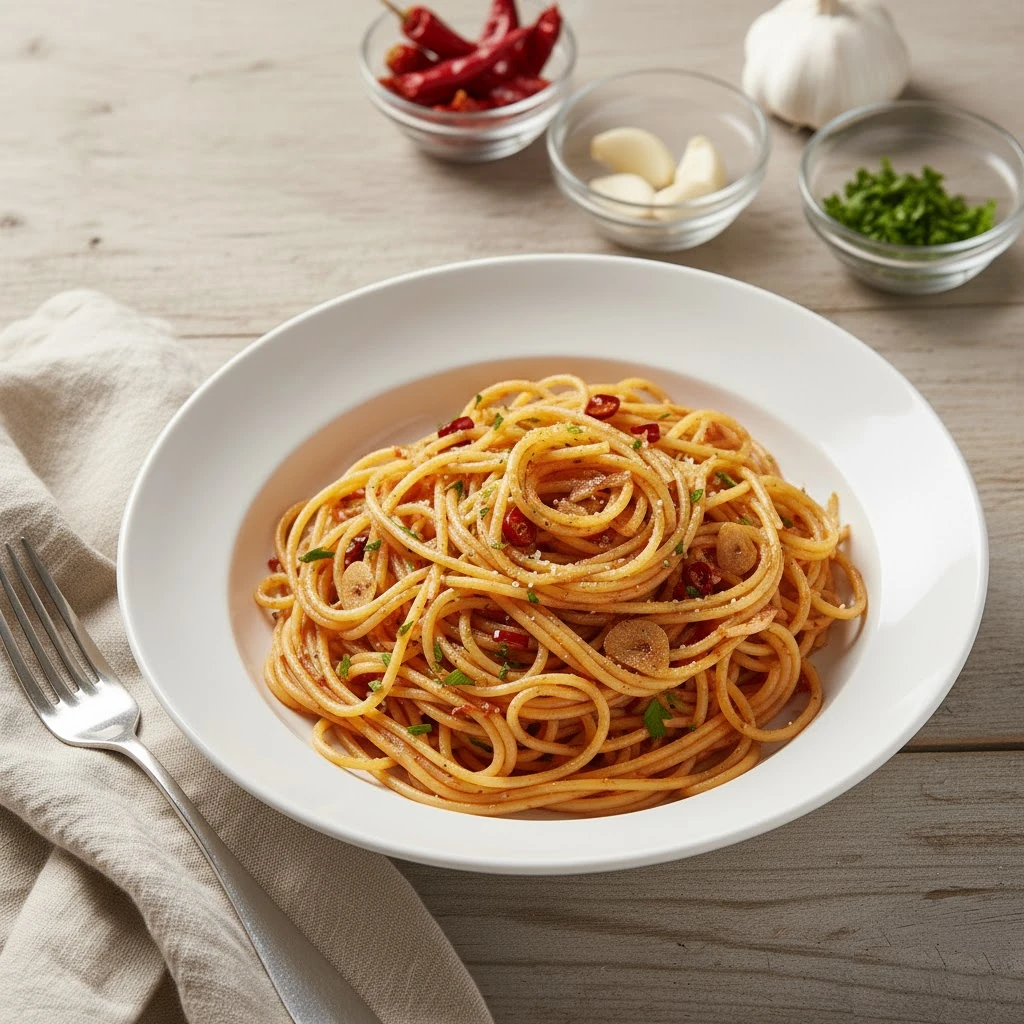
This Pasta Aglio e Olio recipe features garlic, parsley, red pepper flakes, and lemons to make a flavorful pasta in minutes.

Pasta Aglio e Olio (Garlic and Oil Pasta)

*Pasta Aglio e Olio* is the ultimate testament to the mantra of Italian cooking: great flavor comes from quality ingredients, not complexity. This quick, traditional Neapolitan dish is made from just five core elements—pasta, olive oil, garlic, chili pepper (*peperoncino*), and parsley. The critical technique is the slow, gentle infusion of the olive oil with the garlic and chili, followed by a vigorous toss with starchy pasta water to create a light, shimmering emulsion that coats every strand of spaghetti. It is ready in the time it takes to boil the water.


📜 History: The Ultimate Pantry Staple

This dish originates from Naples, in the Campania region, and is known as a recipe of necessity and invention. Historically, it required only inexpensive ingredients that were almost always available in the pantry (*dispensa*): dried pasta, olive oil, garlic, and preserved chili flakes. Due to its simplicity, speed, and cost-effectiveness, it remains the favorite 'midnight snack' or 'student pasta' throughout Italy. Its purity means there is no room for error—the quality of the oil and the care taken with the garlic are everything.


🧄 Ingredients: The Golden Rule of Garlic

Do not substitute any of these key elements:

  • *Pasta:* Traditionally, long pasta like *Spaghetti* or *Vermicelli* is used since the strands catch the oil beautifully.
  • *Olive Oil:* Use high-quality *Extra Virgin Olive Oil*. Since it is the base flavor, its quality will define the dish.
  • *Garlic:* Must be sliced *thinly and evenly*. Crucially, it must be cooked slowly over very low heat to infuse the oil and turn golden, *never brown or burned*, which makes it bitter.
  • *Chili:* Dried *peperoncino* (red pepper flakes) provides the necessary warmth.
  • *Parsley:* Fresh, finely chopped Italian flat-leaf parsley is added at the end for freshness and color.
  • *Cheese (Optional):* True *Aglio e Olio* does not include cheese, but sometimes a small amount of *Pecorino Romano* is used to help bind the sauce in the final step.
Thinly sliced garlic gently bubbling in olive oil over low heat in a wide pan.
Image 1: The key to this dish is infusing the oil with the garlic and chili over very low heat until the garlic is golden, not brown.

🔪 The Technique: Low Heat and Emulsification

Step 1: The Low-and-Slow Infusion

  • In a wide pan (large enough to hold the pasta), add the olive oil, thinly sliced garlic, and red pepper flakes.
  • Cook over *extremely low heat* for 5–10 minutes. The goal is to gently infuse the oil, allowing the garlic to soften and turn a pale gold color. *If the garlic turns brown, start over since the oil will be bitter.*

Step 2: Combining and Emulsifying

  • Cook the spaghetti until two minutes before it is *al dente*. *Reserve at least 1 cup of the starchy pasta water.*
  • Transfer the undercooked pasta directly into the garlic and oil pan (off the heat if the pan is too hot).
  • Add a few tablespoons of the starchy pasta water. Toss the pasta and the oil vigorously. The starches in the water will bind with the oil to create a beautiful, white, glossy emulsion. Add more pasta water as needed to coat the pasta.
Spaghetti being tossed with the garlic-infused oil and starchy pasta water in a pan, creating a glossy sauce.
Image 2: Vigorously tossing the pasta with starchy water is crucial to creating the silky emulsion that defines the sauce.

Step 3: Finishing

  • Stir in the fresh chopped parsley and season with salt (the pasta water should be salty enough, so taste first).
  • Serve immediately while the pasta is still glossy and hot.
A forkful of finished spaghetti Aglio e Olio, showing the glossy, shimmering coating of the emulsified sauce.
Image 3: The final result should be glossy, silky, and coated in the shimmering garlic-chili oil.

💡 Troubleshooting & Chef's Notes

Issue Cause Solution/Tip
*Sauce is separated/oily.* Not enough starchy water was used, or the tossing was not vigorous enough. Add another splash of starchy pasta water and toss the pasta rapidly off the heat until the mixture emulsifies and looks white/milky.
*Sauce is bitter/burnt.* The garlic was browned or burned. You must discard the sauce and start over. The heat must be low enough that the garlic never sizzles aggressively.
*Pasta is dry/not coated.* Didn't reserve enough pasta water, or the oil-to-pasta ratio was off. Always over-reserve the pasta water. The final sauce should look slightly loose before serving since the pasta will absorb the liquid quickly.

Pasta Aglio e Olio

Cook Time 10 minutes
Total Time 10 minutes
Servings: 4
Course: Pasta
Cuisine: Italian
Calories: 500

Ingredients
  

  • 12 oz Spaghetti
  • 1/2 cup Olive Oil
  • 4 clove Garlic Thinly Sliced
  • Red Pepper Flakes Adjust to Taste
  • Fresh Parsley Chopped
  • Pecorino Romano Cheese Grated
  • Salt

Method
 

  1. Equipment needed : Large pot for boiling spaghetti
  2. Cook the spaghetti in boiling salted water until al dente. Drain and keep some pasta water.
  3. In a large skillet, heat the olive oil over low heat.
  4. Add the thinly sliced garlic and red pepper flakes. Sauté gently until the garlic turns golden but not brown.
  5. Toss the cooked spaghetti in the garlic and oil mixture, adding pasta water as needed.
  6. Season with salt and garnish with chopped fresh parsley and grated Pecorino Romano cheese.
     

Stay a While—Join My Circle of Food-Loving Friends

Join my newsletter now to make sure you never miss a recipe or cooking tip from me!

Leave a Reply

Your email address will not be published. Required fields are marked *

Recipe Rating


share this recipe:

Facebook
Twitter
Pinterest

Still hungry? Here’s more

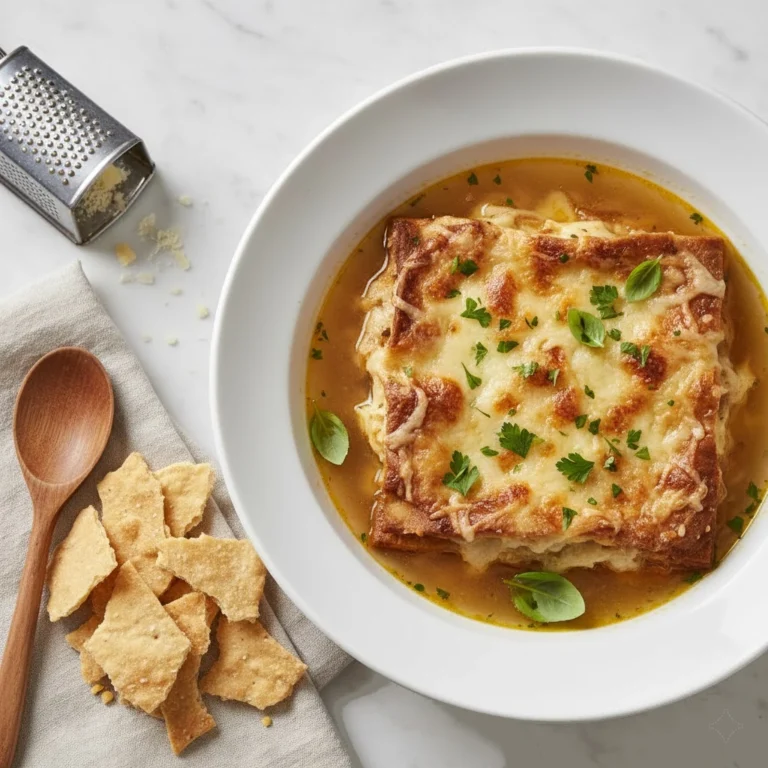
Zuppa Gallurese

A hearty Sardinian specialty, Zuppa Gallurese is a savory, baked layered soup combining bread, cheese, and rich broth.

Read More