

More Pasta, More Joy—Join the Fun!
Cacio e Pepe con Guanciale
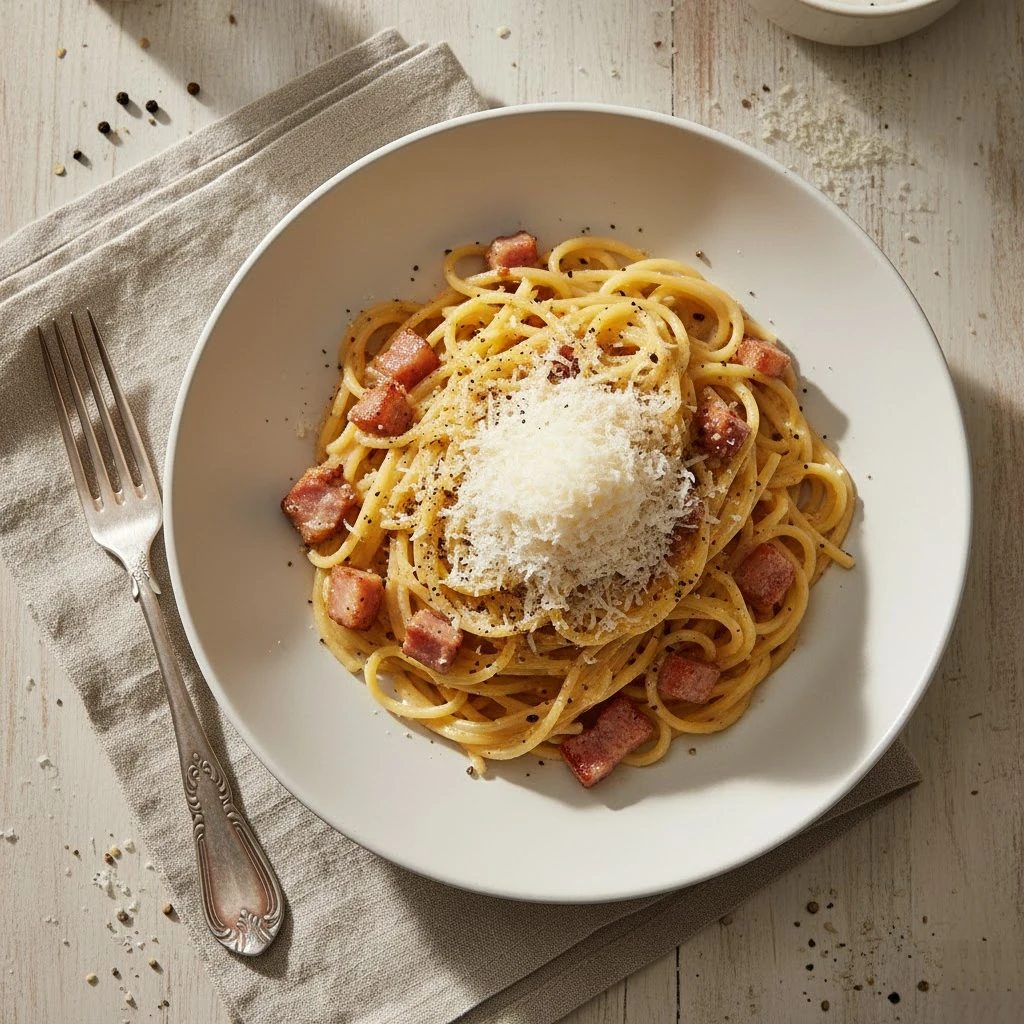
Cacio e Pepe with Guanciale combines simple Roman flavors—pecorino, black pepper, and crispy pork—into a luscious, comforting pasta.

Cacio e Pepe con Guanciale (Cheeky Cheese and Pepper Pasta)

This dish takes the iconic simplicity of Roman Cacio e Pepe—Pecorino Romano and black pepper—and elevates it with the rich, savory depth of Guanciale (cured pork jowl). While often considered a variation of Cacio e Pepe, this combination of pasta, Pecorino, black pepper, and Guanciale is actually the definition of the third Roman classic: Pasta alla Gricia. The result is a bold, creamy, and undeniably rustic masterpiece that relies entirely on superior ingredients and flawless technique.


Context: The Roman Quartet

Roman cuisine is founded on four pasta classics: Cacio e Pepe (cheese and pepper), Amatriciana (Gricia + tomato), Carbonara (Gricia + egg yolk), and the progenitor of them all, Gricia. Your requested dish, Cacio e Pepe con Guanciale, is essentially Pasta alla Gricia. The technique of using rendered pork fat to build the sauce, combined with the creamy emulsification of Pecorino and starchy water, is a testament to the efficient, robust cooking style of the Lazio region's shepherds and farmers.


Ingredients: Quality Over Quantity

With only four core components, the quality of each ingredient is paramount to achieving the perfect creaminess and flavor:

  • Pasta: Traditionally, Roman pasta dishes use long shapes like Spaghetti or thick, eggless shapes like Tonnarelli (or quadrucci). Bronze-drawn pasta is preferred for its rough surface, which clings better to the sauce.
  • Guanciale: This cured pork jowl (pig’s cheek) is essential. It has a different fat consistency and flavor profile than pancetta or bacon. It should be cut into thick strips or cubes.
  • Pecorino Romano D.O.P.: Must be finely grated. A medium-aged Pecorino is best since it has the right moisture content to melt into a silky cream. Avoid pre-grated cheese, which contains anti-clumping agents that will ruin the sauce.
  • Black Pepper: Use whole, high-quality black peppercorns and grind or crush them just before cooking. Toasting the pepper in the Guanciale fat is crucial for releasing its volatile oils and aroma.

The Technique: Mastering the Emulsion

Step 1: Rendering the Guanciale

  • Start the Guanciale in a cold, wide stainless steel pan. This allows the fat to slowly render out before the meat crisps up.
  • Cook over very low heat until the Guanciale is golden brown and crispy.
  • Remove the crispy pieces and set them aside. Leave the rendered fat (the liquid gold!) in the pan.

Step 2: Toasting the Pepper

  • Add the freshly cracked black pepper to the Guanciale fat still in the pan.
  • Turn the heat up slightly and toast the pepper for about 30 seconds until intensely fragrant. This step awakens the spice.
  • Add a ladle of reserved starchy pasta water to the pan immediately to stop the pepper from burning and create a base liquid.

Step 3: Finishing the Pasta (Risottare)

  • Cook the pasta in lightly salted water until about three minutes before it is al dente.
  • Transfer the undercooked pasta directly into the pan with the Guanciale fat, pepper, and starchy water base.
  • Continue cooking the pasta in the pan, stirring vigorously and adding reserved pasta water ladle by ladle. This process, called risottare, releases maximum starch, which is vital for the final emulsion.

Step 4: The Emulsion (The Cremina)

  • While the pasta is finishing, mix the finely grated Pecorino Romano in a separate bowl with a few tablespoons of hot, but not boiling, pasta water until it forms a thick, smooth paste or cream (cremina).
  • Once the pasta is perfectly al dente and there is only a little starchy liquid left in the pan, remove the pan completely from the heat.
  • Add the Pecorino cremina to the pasta. Toss and stir vigorously with tongs or a wooden spoon, adding small splashes of warm pasta water as needed, until the sauce transforms into a rich, glossy cream that coats every strand.

💡 Troubleshooting & Chef's Notes

Issue Cause Solution/Tip
Sauce is lumpy/grainy. Heat was too high when adding the Pecorino, or the cheese was not grated finely enough. Always remove the pan from heat before adding the cheese. If lumps form, try adding a splash of very hot water and stirring vigorously.
Sauce is too thin/watery. Not enough starch was released, or too much pasta water was added. Add a small handful of extra grated Pecorino and toss quickly, or return the pan to very low heat for a few seconds to gently reduce the liquid.
Guanciale is not crispy. The heat was too high initially, causing the exterior to brown before the fat rendered fully. Always start Guanciale in a cold pan and cook low and slow for a long time.

Cacio e Pepe con Guanciale

History: Cacio e Pepe con Guanciale is a traditional pasta dish from the Lazio region of Italy, specifically Rome. It dates back to ancient Roman times when the shepherds would make this simple yet flavorful dish using local ingredients.
Servings: 4
Cuisine: Lazio

Ingredients
  

  • 12 oz spaghetti or bucatini
  • 4 oz guanciale (cured pork jowl) diced
  • 1 cup Pecorino Romano cheese grated
  • 1 tbsp black pepper freshly ground
  • Salt To Taste

Method
 

  1. Cook the spaghetti or Bucatini in a large pot of salted boiling water until ‘al dente.’ Drain, reserving some of the cooking water.
  2. In a large skillet, cook the diced Guanciale over medium heat until crispy and golden brown. Remove from the skillet and set aside.
  3. In the same skillet, add the cooked pasta along with a splash of the reserved cooking water. Toss to coat the pasta.
  4. Remove the skillet from the heat and add the grated Pecorino Romano cheese and freshly ground black pepper. Toss vigorously until the cheese melts and forms a creamy sauce.
  5. Season with salt to taste, keeping in mind that the Guanciale and cheese are already salty.
  6. Serve the Cacio e Pepe con Guanciale immediately, garnished with additional Pecorino Romano cheese and black pepper. Serves 4.
Stay a While—Join My Circle of Food-Loving Friends

Join my newsletter now to make sure you never miss a recipe or cooking tip from me!

Leave a Reply

Your email address will not be published. Required fields are marked *

Recipe Rating


share this recipe:

Facebook
Twitter
Pinterest

Still hungry? Here’s more

Zuppa Gallurese

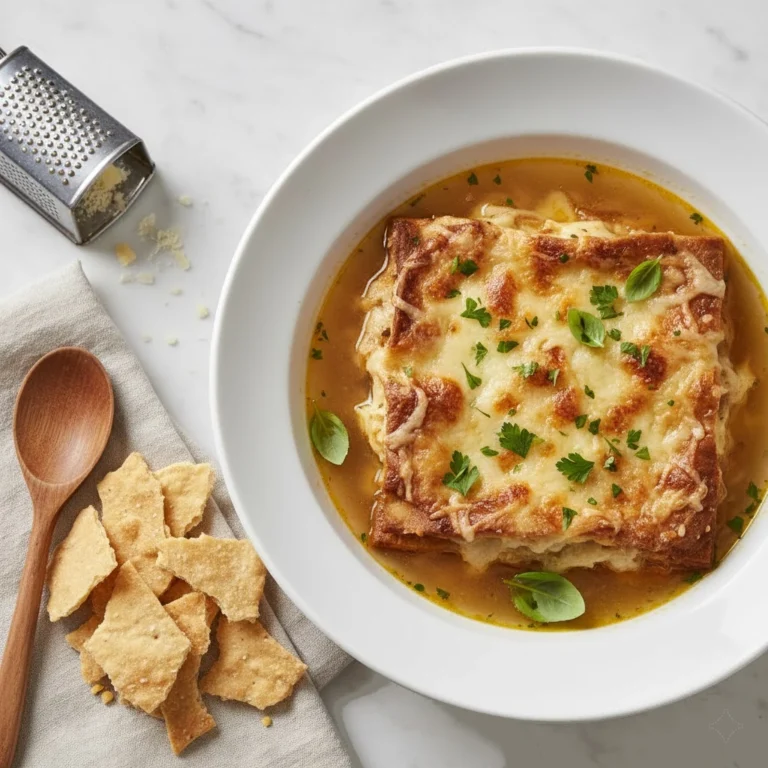
A hearty Sardinian specialty, Zuppa Gallurese is a savory, baked layered soup combining bread, cheese, and rich broth.

Read More